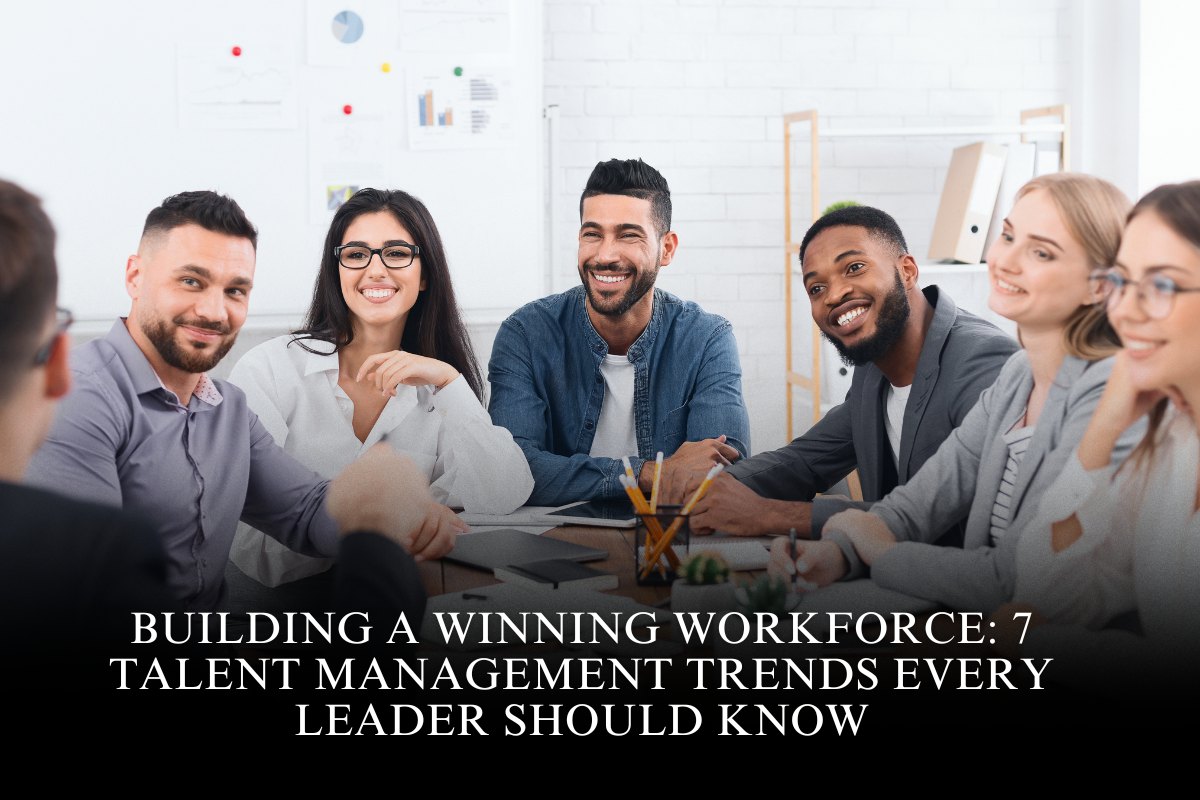
In 2025, talent management is evolving rapidly as organizations face new challenges and opportunities driven by technological advances, workforce expectations, and shifting market demands. Forward-thinking leaders are adopting innovative trends to attract, develop, and retain a winning workforce that drives performance and adaptability in a competitive environment.
1. Skills-Based Talent Management
Organizations are moving beyond traditional role- or title-based HR models and focusing on skills-based approaches. This means identifying, assessing, and developing employees’ specific skills to match current and future business needs. Skills-based management enhances agility by preparing workforces to respond to changing demands quickly and fosters continuous learning and growth.
2. AI and Data-Driven Workforce Strategies
Artificial intelligence and advanced analytics are becoming integral in talent management. AI streamlines recruitment, automates routine HR tasks, and provides predictive insights about employee performance and retention risks. Data-driven strategies enable leaders to make precise decisions, optimize workforce planning, and target upskilling investments where they matter most to drive measurable business outcomes.
3. Personalized Employee Experiences
Tailoring employee experiences to individual preferences and career goals is crucial for engagement and retention. From customized onboarding journeys to flexible development paths and benefits, personalization fosters a culture of belonging and motivation. Leaders who invest in these experiences unlock greater innovation and loyalty across their teams.
4. Focus on Well-being and Mental Health
Employee well-being continues to climb as a top priority in talent management strategies. Initiatives that support mental health, work-life integration, and physical wellness contribute to higher productivity and reduced turnover. Organizations are embedding well-being into their culture through comprehensive programs, resources, and leadership accountability.
5. Internal Mobility and Career Pathing
Maximizing internal talent by facilitating career transitions within the organization reduces hiring costs and accelerates growth. Leaders promote internal mobility via skill gap mapping and clear career pathways supported by AI-driven tools. This approach builds employee commitment while ensuring talent adapts to evolving organizational needs.
6. Leadership Development for a Digital Era
The need for digitally savvy leadership is accelerating as workplaces become more hybrid and technology-driven. Leadership programs increasingly focus on developing skills like emotional intelligence, strategic agility, and virtual team management. Organizations invest in ongoing training and AI-powered coaching to prepare leaders for future challenges.
7. Total Talent Management
Total Talent Management (TTM) integrates all workforce categories including full-time, part-time, freelancers, and contractors into a unified strategy. This holistic approach offers flexibility, inclusivity, and optimized resource allocation. Leaders who embrace TTM break down silos and build cohesive, scalable workforces poised to sustain growth in complex environments.
Frequently Asked Questions (FAQ)
Q: What is skills-based talent management?
A: It’s an approach focusing on employees’ actual skills and competencies rather than job titles, enabling agility and targeted development aligned with business goals.
Q: How does AI enhance talent management?
A: AI automates recruitment and HR tasks, predicts employee trends, supports upskilling, and provides data-driven insights for precise workforce decisions.
Q: Why are personalized employee experiences important?
A: They increase engagement and loyalty by tailoring development, benefits, and workplace culture to individual needs and aspirations.
Q: How is employee well-being integrated into talent management?
A: Organizations embed mental health support, flexible work options, and wellness programs to boost productivity and reduce turnover.
Q: What benefits does internal mobility offer?
A: It reduces hiring costs, accelerates employee growth, and helps retain talent by providing clear, supported career pathways within the organization.
Q: How are leadership programs evolving?
A: Leadership development now emphasizes digital fluency, emotional intelligence, and virtual team management, supported by AI coaching tools.
Q: What is Total Talent Management?
A: TTM is a unified workforce strategy that integrates all types of workers—full-time, contractors, freelancers—into cohesive talent management plans.